Claude
  Cursor
  Codex
Codex  Hugging Face
  NVIDIA
  Visual Studio Code
  Devin
Devin  Kiro
Kiro  Open Code
  NanoClaw
 Docker
  npm
npm  PyPy
PyPy  Wiz
Wiz 
 Finanzdienstleistungen
  Gaming
  Öffentlicher Sektor
  Automobil
  Technologie
  Gesundheitswesen


des gesamten heute in die Produktion ausgelieferten Codes ist KI-generiert
GitClear


JFrog prüft und härtet alles, was Ihre Agents nutzen, und steuert, wie sie bauen und deployen – jedes KI-Modell, jeden Agenten-Skill, jedes Plugin, jeden MCP-Server, jedes Paket und jedes KI-generierte Artefakt, verwaltet in einer Single Source of Truth.
Eine Agentic Workforce, der Sie vertrauen können.
Das ist AgentSecOps.
Die universelle und anpassungsfähige JFrog Plattform löst wesentliche branchenübergreifende Herausforderungen der agentischen Software-Lieferkette.
Beschleunigen Sie die Softwarebereitstellung unter Einhaltung strenger regulatorischer Standards wie HIPAA und FedRAMP
Build a continuous audit trail for CRA, DORA, NIST SSDF, and CERT-In compliance.
Ihre Agenten erstellen Software, stellen Verbindungen zu MCPs her, nutzen Skills und liefern Software in unglaublicher Geschwindigkeit aus. JFrog schützt alles, was Ihre Agenten verwenden, und kontrolliert, wie sie entwickeln. So können Sie Ihren KI-Agenten vertrauen.
des gesamten heute in die Produktion ausgelieferten Codes ist KI-generiert
GitClear
Zunahme von bösartigen Paketen und KI-Assets in den letzten drei Jahren
OpenSSF & JFrog Security Research
Unternehmen verfügen über kein Governance-Framework für Coding-Agenten
Deloitte
Bei einer vertrauenswürdigen KI-Belegschaft unterliegt jedes Artefakt, das Ihre Agenten verwenden, entwickeln und ausliefern, der Steuerung einer Single Source of Truth.Modelle, MCP-Server, Skills, Plugins, Pakete und Code sind alle Teil derselben Lieferkette, daher lässt sich Vertrauen nicht einfach von außen hinzufügen. Es muss direkt dort integriert werden, wo Software entsteht: Schützen Sie, was Agenten verwenden, noch bevor sie eine Zeile Code schreiben, beheben Sie Probleme in dem, was sie entwickeln, während sie es entwickeln, und weisen Sie alles nach, was sie ausliefern.
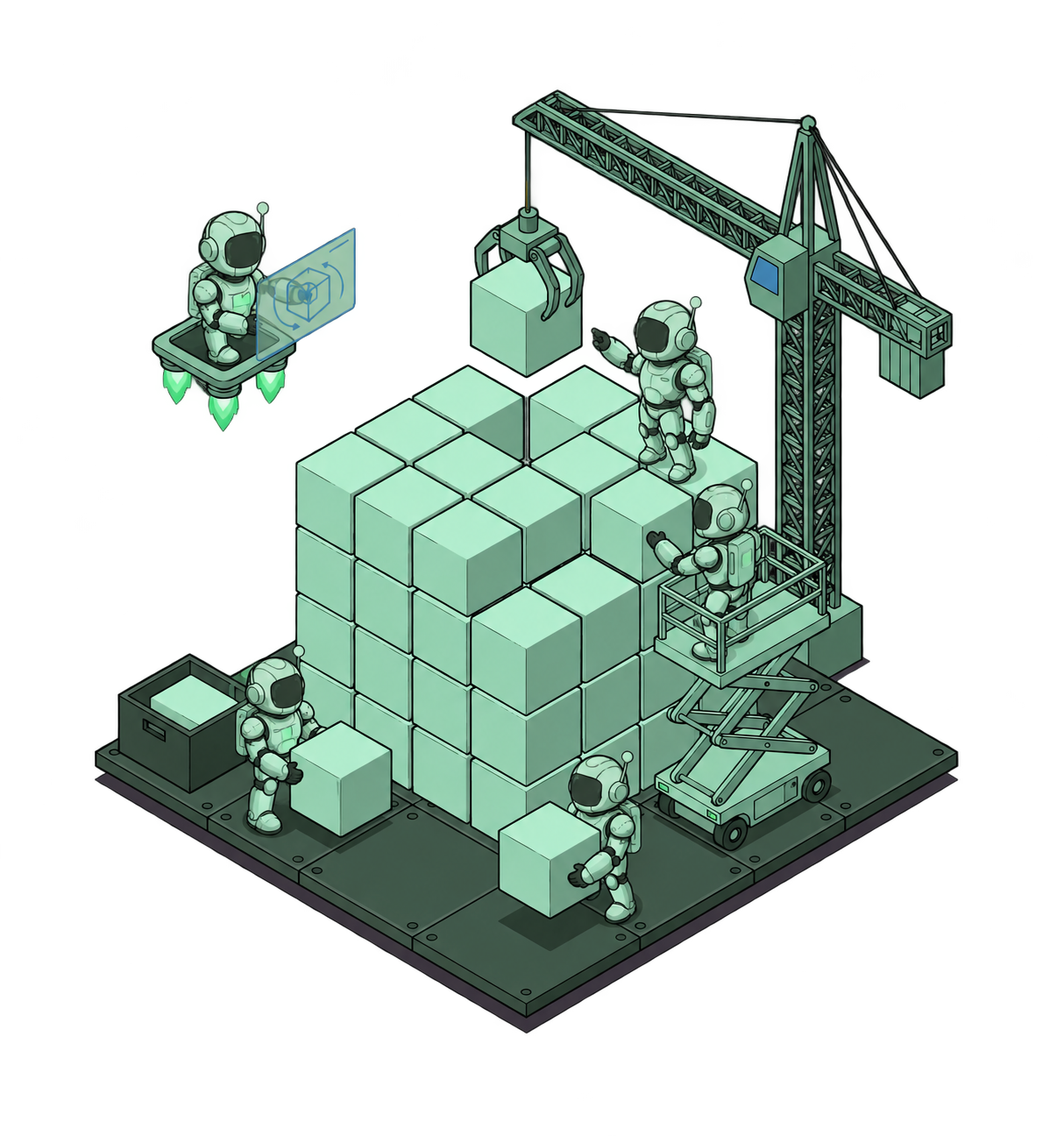
Schützen Sie Ihre Agenten vor nicht vertrauenswürdigen KI-Assets.Jeder MCP-Server, Skill und jedes Plugin wird beim Abruf überprüft und kontrolliert, und zwar mit denselben Kontrollmechanismen, die bereits für Ihre Software gelten.
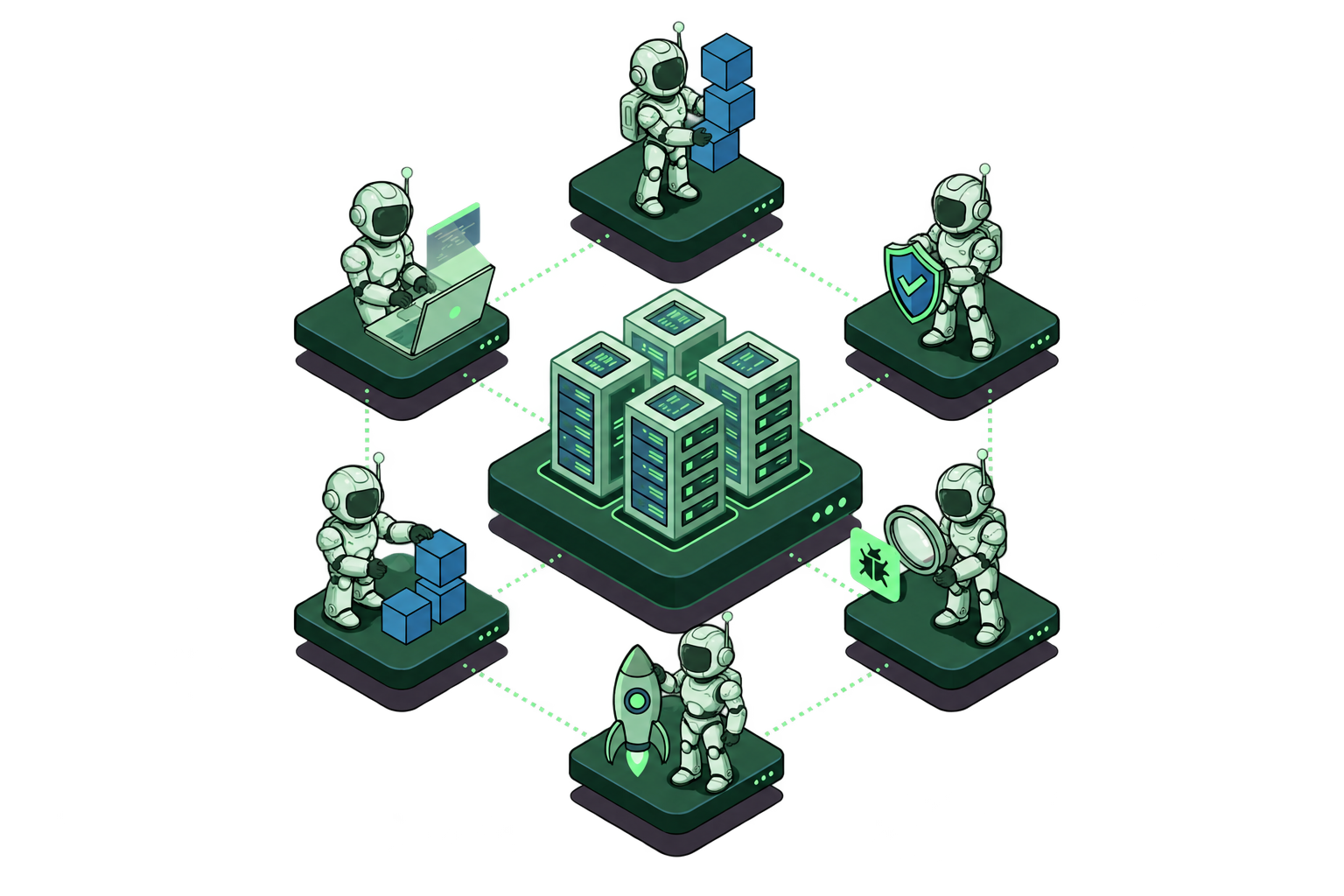
Jedes Binary wird gescannt, nach tatsächlicher Ausnutzbarkeit priorisiert und automatisch korrigiert. Anschließend wird es über dieselben Kontrollmechanismen freigegeben wie Ihr von Menschen geschriebener Code, und jede Aktion ist durch protokollierte Nachweise belegt.
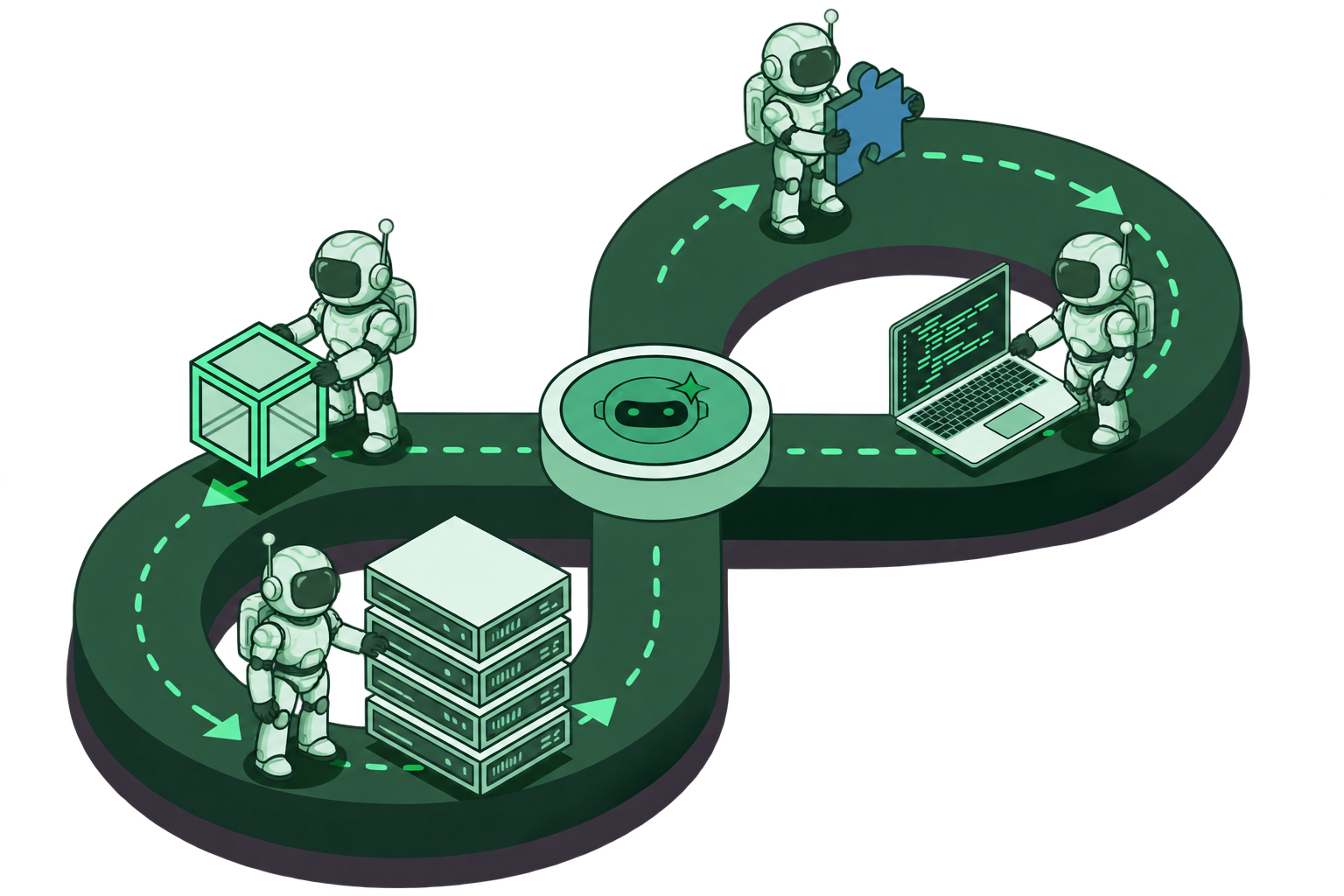













Verwandeln Sie unübersichtliche Terminal-Ausgaben in nützlichen Kontext, der die Leistung Ihrer Agenten verbessert und den Token-Verbrauch senkt.

Jedes Paket, jedes Modell und jeder MCP-Server wird anhand Ihrer Richtlinien geprüft, bevor es Ihre Agenten und Ihre Software-Pipeline erreicht.

Stellen Sie jedem Agenten einen geprüften, vorab freigegebenen Katalog von KI-Assets zur Verfügung, aus dem er sich bedienen kann.Unterbinden Sie riskante Abrufe aus dem offenen Internet, ohne an Tempo einzubüßen.

Tiefgehende Schwachstellenanalyse für alle Binaries, Container und KI-Assets in Ihrer Lieferkette – bevor sie in die Produktion gelangen.

Wenn Agenten oder Entwickler Ihre Kontrollen umgehen, leiten Sie deren Paketanfragen auf Netzwerkebene über JFrog um. So gelangt nichts unkontrolliert in Ihre Lieferkette.

Leiten Sie jeden Coding-Agenten über eine authentifizierte Bridge, die jede Anfrage validiert. So können Agenten ausschließlich auf die KI-Assets zugreifen, die Sie freigegeben haben.

Schluss mit isolierten Einzellösungen.Jedes Binary, das Ihre Teams ausliefern, und jedes KI-Asset, das Ihre Agenten verwenden, wird in einem einzigen universellen Artefakt-Repository gespeichert, versioniert und kontrolliert.

Native Plugins, MCP-Server und Agent-Skills, die JFrog in jeden Coding-Agenten einbinden, den Ihre Entwickler bereits verwenden.Kein Lock-in, sondern Governance, die Ihren Stack überallhin begleitet.
Eine agentische Software-Lieferkette ist eine Pipeline zur Softwarebereitstellung, in der KI-Agenten Code mit minimalem menschlichem Eingreifen eigenständig schreiben, erstellen, testen und bereitstellen.Diese Agenten rufen Pakete ab, greifen auf Modelle zu und treffen Bereitstellungsentscheidungen in Maschinengeschwindigkeit.
Governance ist notwendig, um sicherzustellen, dass jede Aktion eines Agenten Artefakte hervorbringt, die verifiziert, richtlinienkonform und von der Quelle bis zur Produktion rückverfolgbar sind.JFrog ist die einzige Plattform, die beide Seiten der agentischen Lieferkette in einer Single Source of Truth kontrolliert: ohne Lücken, ohne Kompromisse und ohne dass Ihre Teams ein Sicherheitskonzept aus isolierten Einzellösungen zusammenstückeln müssen.
Der JFrog AI Catalog erkennt automatisch jedes KI-Modell, jedes Binary und jedes Asset in Ihrem gesamten Unternehmen, auch solche, die außerhalb offizieller Beschaffungsprozesse eingeführt wurden.Anschließend wird jedes Asset inventarisiert, mit Tags versehen und den Richtlinien unterstellt.Teams behalten den Zugriff auf die von ihnen benötigten Tools, während Sicherheits- und Compliance-Teams volle Transparenz und Kontrolle erhalten.
Die JFrog Platform erzeugt kryptografische Attestierungen, Herkunftsnachweise und AI Bills of Materials (AI-BOMs), die Anforderungen aus dem EU AI Act, SOC 2, ISO 27001 und dem NIST SSDF abdecken.Diese Compliance-Artefakte sind direkt in jedes Binary und jedes Modell eingebettet und bilden so eine prüfbare Nachweiskette von der Quelle bis zur Produktion.
Herkömmliche Scans prüfen Artefakte erst nach ihrer Erstellung auf bekannte Schwachstellen.Bei fest verankertem Vertrauen werden Integrität, Herkunft und Richtlinienkonformität bei jedem Schritt der Pipeline verifiziert. Dabei entstehen kryptografische Nachweise, dass jedes Artefakt sicher ist, bevor es weitergegeben wird.Das Ergebnis ist eine kontinuierliche Nachweiskette anstelle eines punktuellen Scans.
JFrog lässt sich in Ihr bestehendes agentisches Ökosystem einbinden, statt Sie zur Einführung eines neuen zu zwingen.Der JFrog MCP Server bietet jedem MCP-kompatiblen Agenten direkten Zugriff auf JFrog-Daten und -Aktionen, etwa um den Status von Artefakten zu prüfen, Scans auszuführen oder kontrollierte Pakete zu beziehen.Native Plugins erweitern das auf die Coding-Agenten, die Ihre Entwickler bereits verwenden, wie Claude Code, Cursor und VS Code. So ist die Governance direkt in die Arbeitsumgebung integriert. JFrog Skills bündeln gängige Workflows (Sicherheitsprüfungen, Release-Kontrollpunkte, Compliance-Reviews) zu wiederverwendbaren Aktionen, die Ihre Agenten direkt aufrufen können.
Agentenschutz ist der mehrstufige Ansatz von JFrog, um zu kontrollieren, was Coding-Agenten verwenden. Er ist fest in Ihrer Lieferkette verankert, statt nachträglich um den Agenten herum aufgesetzt zu werden.Sie funktioniert auf vier Ebenen: jede Anfrage im Netzwerk abfangen, damit der Governance kein Abruf entgeht; jedes Asset vor dem Abruf mithilfe der bereits eingesetzten Kuratierung und Scans prüfen; innerhalb des Agenten die ausschließliche Verwendung freigegebener Assets durchsetzen, sodass er auf nichts anderes zugreifen kann; und jedem Agenten eine überprüfbare Agentenidentität geben, die auf das für seine Aufgabe Erforderliche beschränkt ist.