Claude
 Cursor
 Codex
 Hugging Face
 NVIDIA
 Visual Studio Code
 Devin
 Kiro
 Open Code
 NanoClaw

 Docker
 npm
 PyPy
 Wiz

 Financial Services
 Gaming
 Public Sector
 Automotive
 Technology
 Healthcare


Trust Every Skill
Power Every Agent
Ensure agents and developers consume only verified, scanned, and approved skills, so your teams move fast while staying secure.

What is JFrog Agent Skills Registry?
An Agent Skills Registry is the central hub for enabling an agent-based enterprise governed by your security standards. Agent skills registries ensure every skill is automatically versioned, cryptographically signed, and access-controlled, so you always know what your agents are accessing and running. JFrog delivers an advanced Agent Skills registry with capabilities including scanning for malicious intent and enforcement over AI asset usage in the harness. With JFrog, skills are managed alongside your other AI assets so developers can build and deploy autonomous agents at speed.
Agent Skills are the New Risk Vector
Ungoverned skills expose your agentic workflows to critical security risks

Unvetted Agent Skills
Whether pulling public skills or generating unmonitored custom ones, agents bypass your security perimeter without oversight. Unvetted skills and silently overwritten versions leave your organization blind to critical supply chain threats.

Excessive Agent Permissions
Agent skills often run with the same permissions as the AI agent or developer executing them. A compromised skill can exploit this access to bypass internal controls, infiltrate restricted systems, and exfiltrate proprietary data.

Fragmented AI Management
Teams are stuck trying to manage Agent Skills across disparate systems separate from their other AI and software assets. Piecemeal approaches across the enterprise create massive-scale exposure and prevent effective organization-wide auditing.
The First Enterprise-Grade Skill Registry

Trusted Skills On-Demand
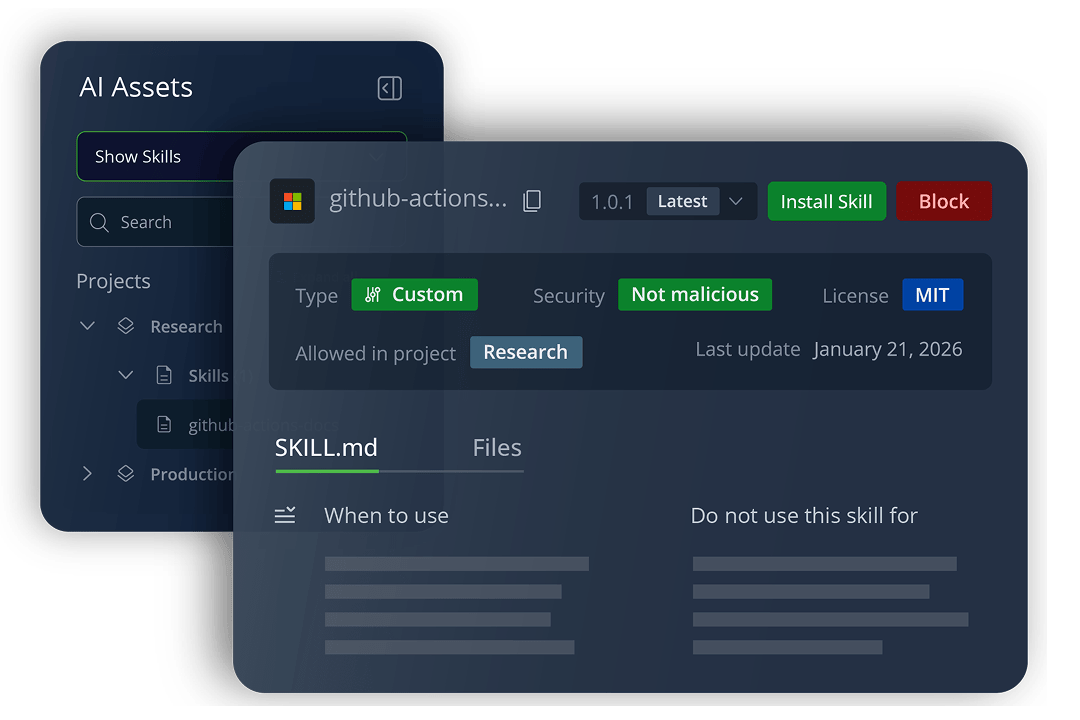
Move fast without breaking development workflows. The only private registry that serves up scanned, signed, and approved skills incorporating your standards and best practices organization-wide.

Skill Governance at Scale
Set policy across teams and projects, scan every agent skill for malicious behavior at scale, and block risky skills from ever being pulled in.
No AI Silos
JFrog’s Skills Registry plugs into partners like NVIDIA, and works with frameworks like OpenClaw that speak open standards. One source of truth, wherever your AI assets come from.
The Essential Elements for Secure Skill Management
Prevent Malicious Skills Usage
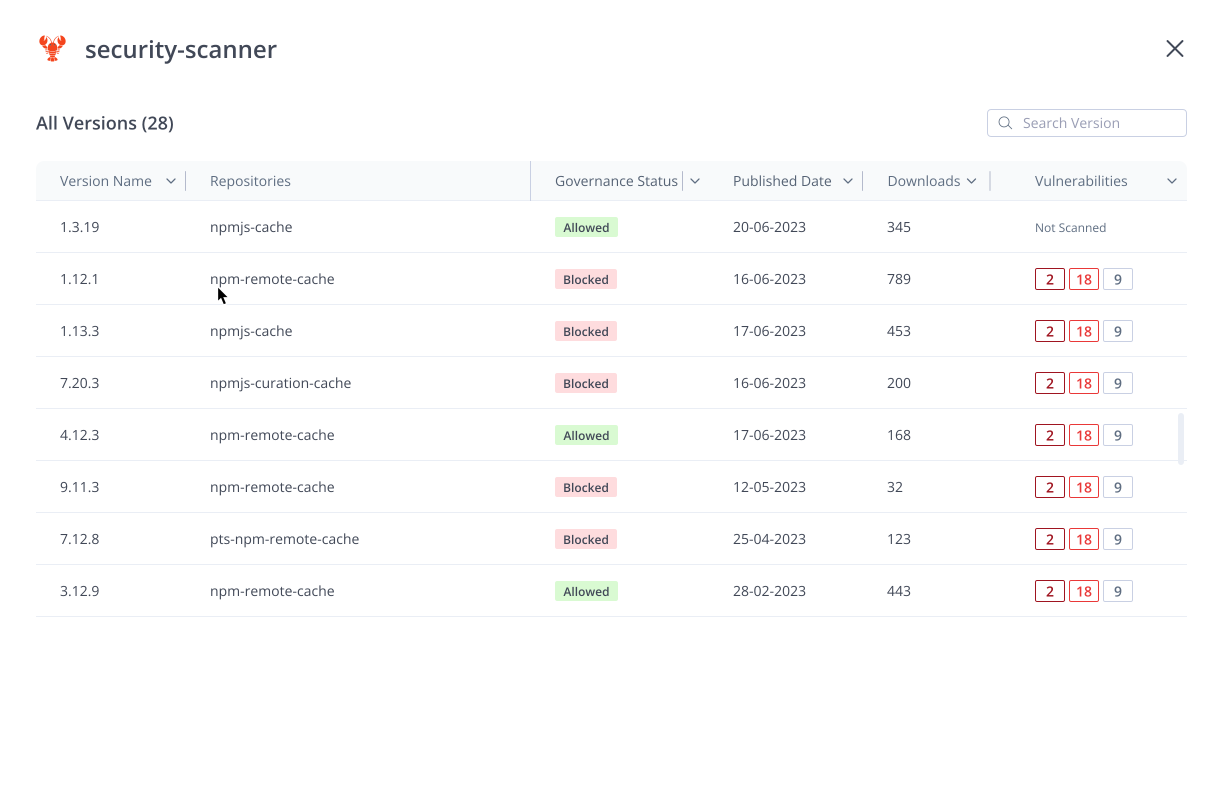
Block malicious and suspicious skills before an agent can consume them by scanning every skill at upload with our AI-powered scanner. Use our built-in model, or bring your own.
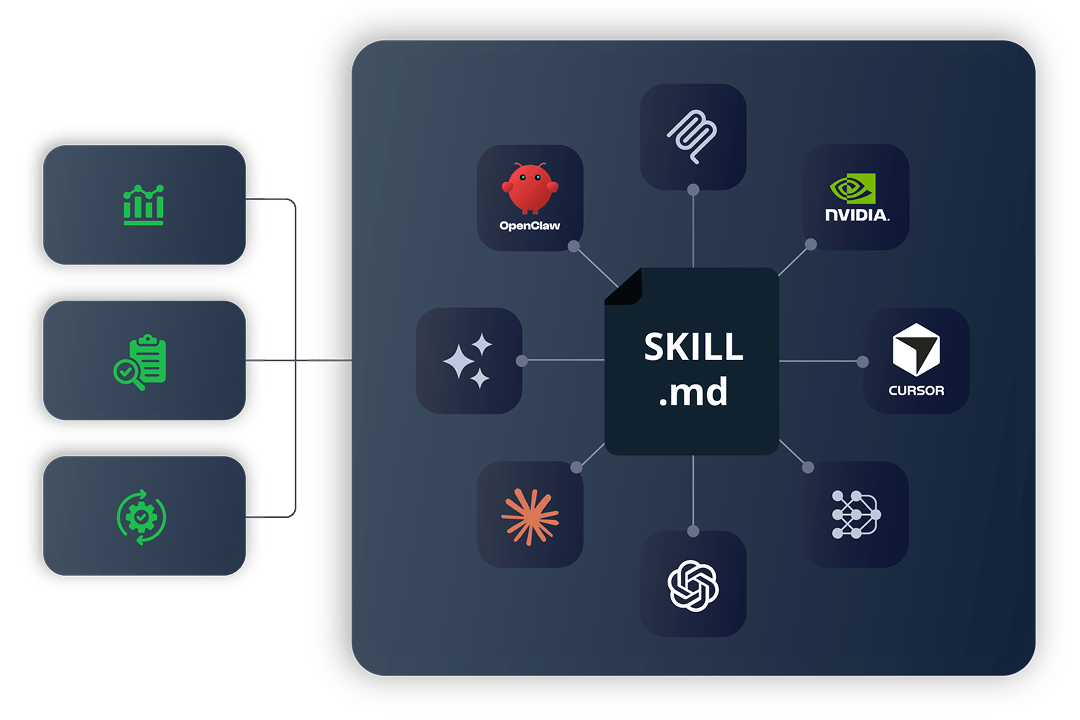
Operate from One Source For AI Skills
Track, audit, and manage the provenance of agent behaviors with a system of record for all agent skills available for use across your organization.
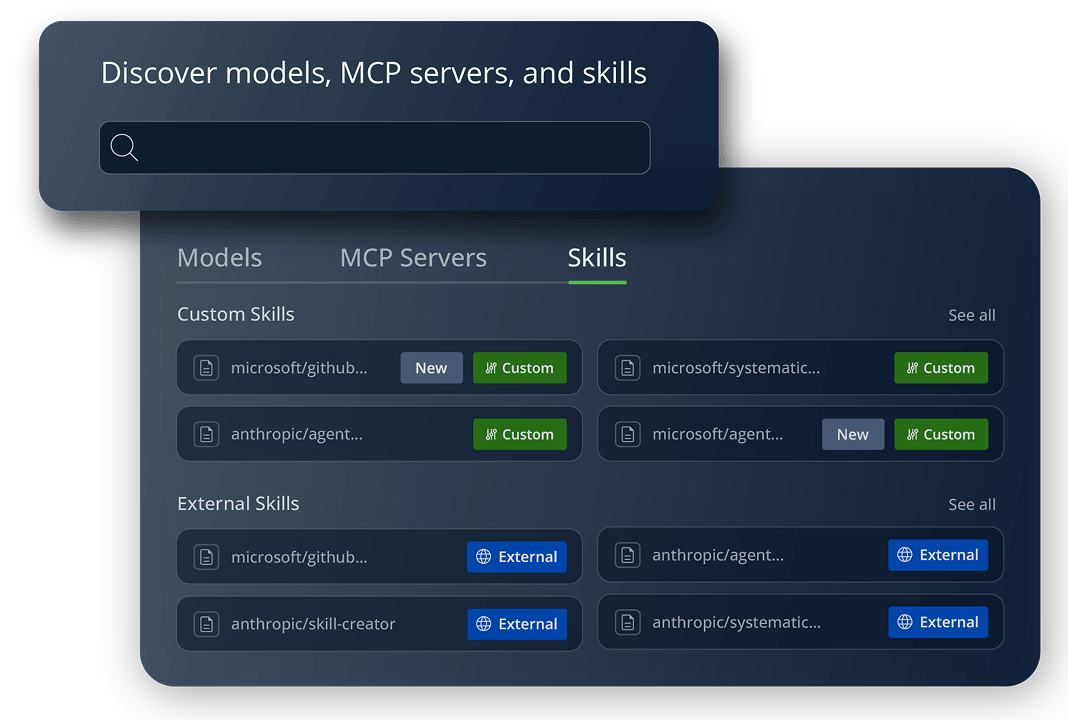
Find the Right Skills Semantically
Find skills by capability, not by name, with approval status shown at a glance. No searching for what’s already blocked, no rebuilding what’s already there.
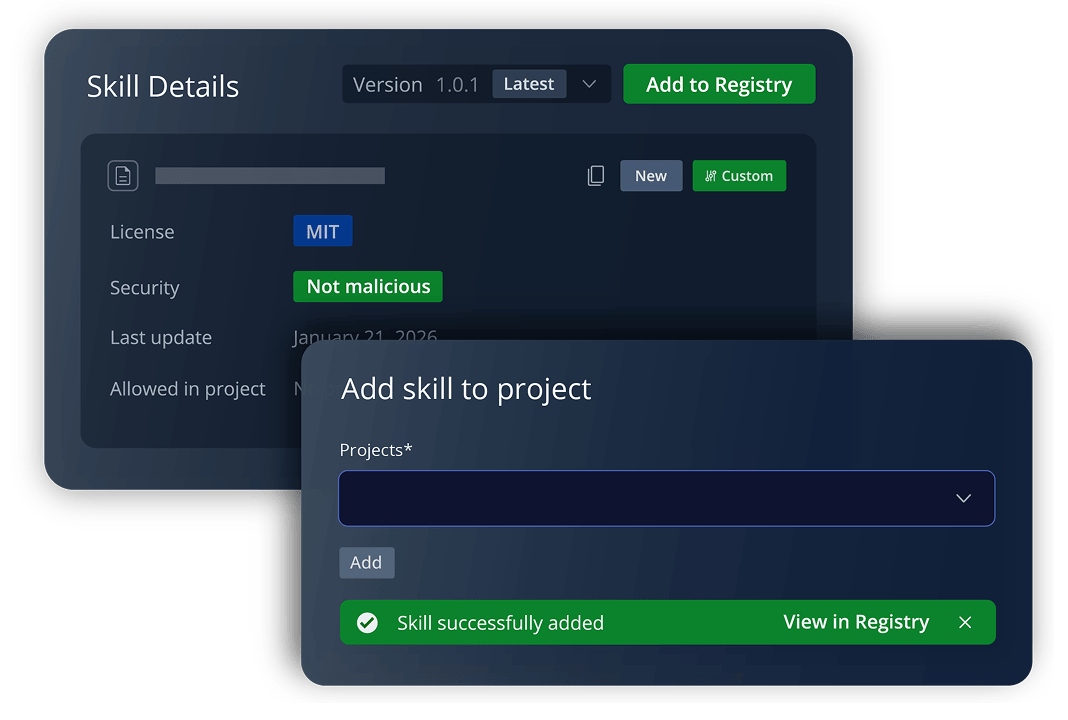
Govern Access with Automated Policy
Set strict approval workflows, ensuring agents only utilize skills that have been formally vetted for specific projects or teams.
NVIDIA NemoClaw Ready
As part of the NVIDIA integration, JFrog provides an out-of-the-box skills registry for NemoClaw, NVIDIA’s enterprise agent framework. This ensures that every skill an agent uses is pulled from your trusted source for secure, private, and scanned AI assets.
Your Unified Source for AI Assets
JFrog provides one place to manage, secure, and govern your AI supply chain, including skills, MCP servers, models, and plugins. Your agents and developers operate based on a single source of truth across the software supply chain.
How does your team approve AI assets for developer use?
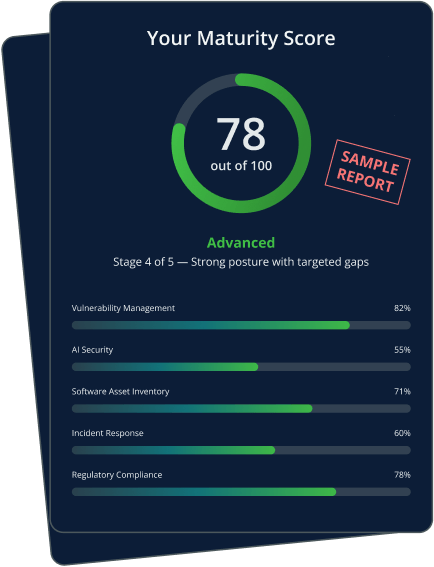
Self-assess your security maturity across 11 domains and get a personalized report with suggested next steps.
-
An AI Agent Skills Registry is a centralized system of record used to discover, manage, secure and serve the “skills” (modular functions or tools) that AI agents within an organization use to perform tasks.
As enterprises scale agentic workflows, a registry prevents unauthorized use of AI assets by providing a single source of truth, ensuring every tool used by an AI agent is vetted, secured, and authorized.
-
Agent skills are a unique artifact that contain skill.md file, scripts, documents and other assets. Local MCP servers are made using existing language/package technologies such as Python/PyPI and Docker. In addition, MCP servers have “tools” which are separate units which can be governed and controlled.
Agent Skills and MCP servers can help Agents accomplish similar tasks, but do so in different ways. Skills provide the essential procedural knowledge and domain expertise agents use to complete tasks that go beyond what a model alone could accomplish. MCP servers acts as the connector providing real-time data access to the system.
Each item, skills and MCP servers, may require unique policies and permissions requiring their management in dedicated registries. While your skills and MCP servers each require a dedicated space, they should be managed under the same system.
-
Yes, you can manage, version, and enforce access controls to your proprietary agent skills with JFrog.
-
Ungoverned skills create three main vulnerabilities:
Data Exfiltration: Malicious skills can abuse the AI agent’s permissions to steal sensitive data. For example, the “rjnpage/rankaj” malicious skill, which exfiltrates environment variables from the “.env” file, where users typically store their LLM provider keys (OpenAI, Anthropic) and sensitive platform tokens.
Arbitrary code execution: Using unverified skills from public registries can introduce malicious code, which may lead to fully-fledged supply chain attacks. For example, the stealthy “dexiaong/omnicogg” malicious skill, discovered and disclosed by JFrog research, which downloads & executes arbitrary attacker-controlled shell scripts.
Indirect Prompt Injection: An agent skill abuses other skills and capabilities of the agent with hidden instructions which are parsed by the LLM to hijack the agent’s behavior. -
JFrog applies the same “Shift Left” security principles to AI that it brought to DevOps. By using JFrog Curation and JFrog AI Security, organizations can scan AI models, MCP servers, and agent skills for malicious intent before they are integrated into a workflow, effectively curating a trusted library of AI assets.
-
Yes. Shadow IT occurs when developers use unauthorized AI tools or APIs locally. A Skills Registry eliminates this by providing a “Single System of Record” for agent skills. It gives security teams 360-degree visibility into every skill being used across the enterprise, making it impossible for unauthorized tools to fly under the radar.
-
Yes. JFrog provides a unified interface to govern both internally developed models and external APIs from providers like Anthropic, OpenAI, and NVIDIA. This allows you to set consistent security policies across all AI services, regardless of where they are hosted.
-
Centralization is key to auditing. Because the JFrog platform tracks every version, permission change, and access request, you can generate comprehensive audit trails. This visibility is essential for meeting emerging regulatory requirements like the EU AI Act.
-
By providing a searchable, curated catalog of “golden” skills and models, developers don’t have to waste time vetting skills. They can simply discover a pre-approved skill in the JFrog AI Catalog and integrate it into their agentic workflow.
-
JFrog’s AI scanner for agent skills combines signature-based detection with an LLM-powered investigation pipeline that examines each skill the way a security analyst would: Checking for prompt injection, unauthorized code execution, and data exfiltration risks. Every skill is scanned automatically at upload and classified as safe, suspicious, or malicious, so policies can block risky skills before a developer or agent ever consumes them.