Claude
  Cursor
  Codex
Codex  Hugging Face
  NVIDIA
  Visual Studio Code
  Devin
Devin  Kiro
Kiro  Open Code
  NanoClaw
 Docker
  npm
npm  PyPy
PyPy  Wiz
Wiz 
 Finanzdienstleistungen
  Gaming
  Öffentlicher Sektor
  Automobil
  Technologie
  Gesundheitswesen


Erweitern Sie die Sicherheit Ihres Codes um eine zusätzliche Ebene
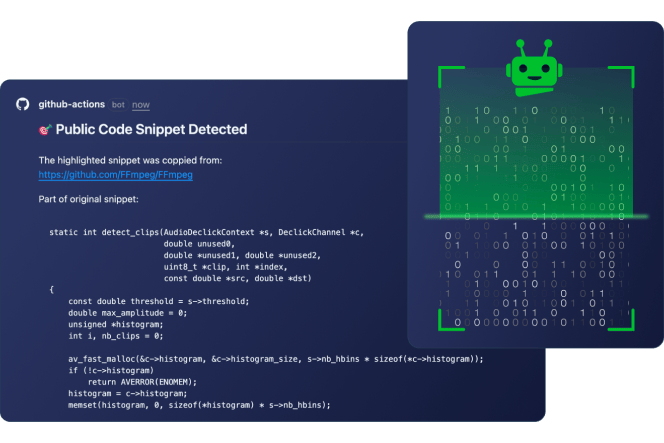
JFrog Snippet Detection ist Ihre Versicherungspolice gegen kopierte und KI-generierte Code-Snippets
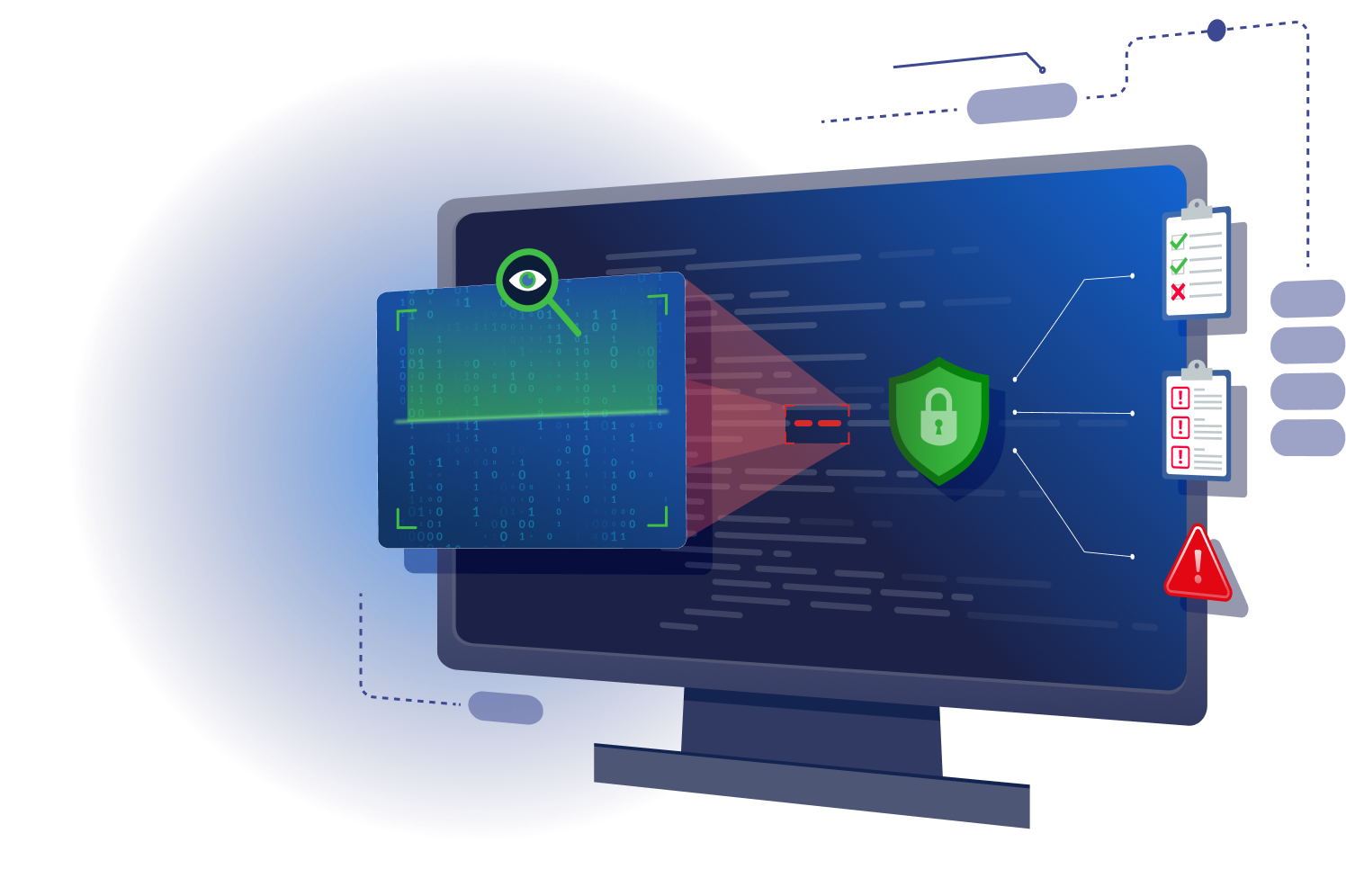
Code-Snippets sind eine riskante Backdoor
Versteckte Compliance-Risiken
Entwickler verwenden immer häufiger kopierten Code. Wie stellen Sie sicher, dass Ihre Anwendung nicht gegen Richtlinien verstößt oder Lizenzprobleme verursacht, während Sie alles ordnungsgemäß in einer SBOM dokumentieren?
Nicht erkannter unsicherer Code
Sie sichern Ihren Anwendungscode und Ihre Artefakte mit klassischem SAST und SCA ab, aber was ist mit riskantem kopiertem oder KI-generiertem Code, bei dem diese Scanner nicht Alarm schlagen?
Erkennen Sie veränderte, unvollständige oder
wiederverwendeten Snippets
Schnellere und effizientere Scans ausführen
Riskante Code-Snippets gezielt erkennen
Detaillierte Audit-Logs automatisch erstellen
Schützen Sie wertvolles geistiges Eigentum
Schützen Sie Ihr geistiges Eigentum, indem Sie erkennen, wenn Code aus GPL-lizenzierten Komponenten in die Codebasis Ihrer Anwendung kopiert wurde. Sichern Sie sich gegen das Risiko ab, dass Ihre proprietäre Software zu Open Source wird.
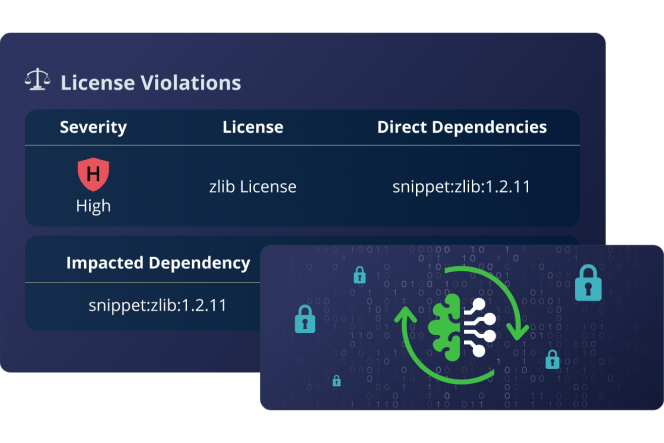
Sorgen Sie für Software-Compliance
Entdecken Sie die kopierten oder KI-generierten Code-Snippets, die Compliance-Probleme und Lizenzverstöße verursachen können. JFrog dokumentiert diese automatisch und detailliert in Ihrer SBOM, damit alle Daten revisionssicher bleiben und versteckte Schwachstellen die Compliance nicht gefährden.
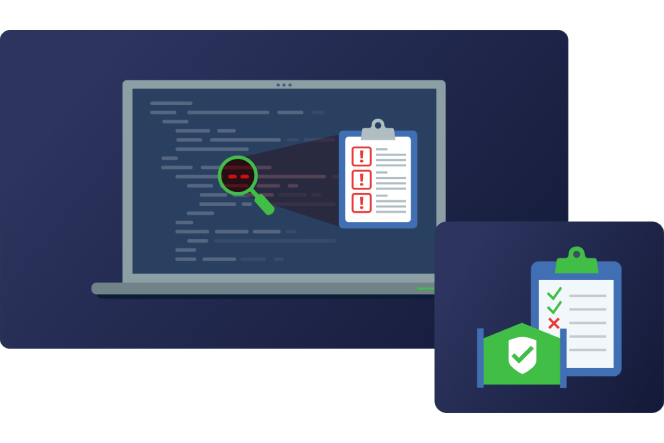
Reduzieren Sie versteckte
codebasierte Risiken
Snippets, die aus Repositories mit bekannten kritischen Schwachstellen kopiert wurden, entgehen klassischer SCA häufig, weil sie nicht als reguläre Pakete eingebunden sind. Dadurch entsteht eine unsichtbare Backdoor im Unternehmen. JFrog Code Snippet Detection markiert diese unsicheren Snippets, damit Sie sie beheben können, bevor sie Ihre Anwendung gefährden.
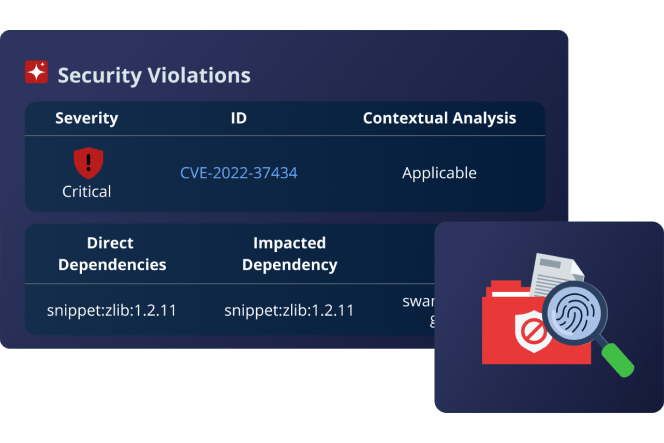
Nutzen Sie reibungslose Guardrails für Entwickler und Agents
Ermöglichen Sie Entwicklern, KI-Coding-Tools ohne Einschränkungen zu nutzen. Unsere automatischen Guardrails ermöglichen schnelle Scans, die Ihre Pipelines nicht verlangsamen. Dafür sorgt eine ressourcenschonende computergestützte Analyse, die typische Performance-Engpässe anderer Lösungen vermeidet.